
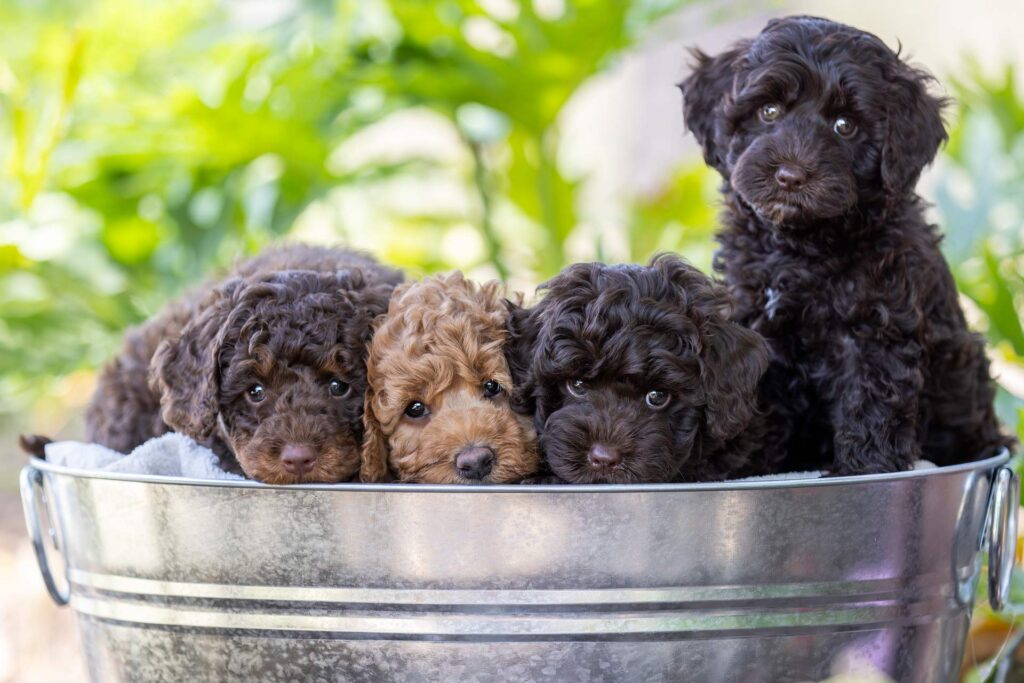
Bringing home a cavoodle puppy is one of life’s most exciting milestones. They’re affectionate, intelligent, playful little dogs who quickly become part of the family.
But they’re also babies – they rely on us to teach them about the world around them. While every new owner wants to do the very best for their puppy, there are a few common mistakes I see time and time again. The good news? They’re all easy to avoid once you know what to expect.
1. Expecting Too Much, Too Soon
Your puppy may look confident and adventurous when they leave their litter, but they’ve just experienced one of the biggest changes of their life. In a matter of hours they’ve left their mum, siblings, familiar surroundings and daily routine.
It’s completely normal if they feel unsettled during those first few days. Toilet training accidents, crying at bedtime, or following you everywhere are all part of the adjustment. Be patient. Your puppy isn’t being “naughty”—they’re simply learning that their new family is safe.
2. Giving Them Too Much Freedom
Many families imagine their puppy happily wandering around the house from day one. In reality, too much space can be overwhelming.
Young puppies do best when their world is kept relatively small at first. Using puppy pens, baby gates or limiting access to one or two rooms helps them feel secure, makes toilet training easier, and prevents them from developing bad habits like chewing furniture or disappearing to toilet behind the couch.
As they mature and prove themselves trustworthy, you can gradually expand their freedom.
3. Waiting Too Long to Start Grooming
One of the biggest misconceptions I hear is that puppies shouldn’t be groomed until their adult coat comes through. In fact, the opposite is true.
Early grooming experiences help puppies learn that brushing, bathing, nail trims, drying and handling are all normal parts of life. These short, positive sessions build confidence and make professional grooming far less stressful later on. You’re not trying to create a perfectly groomed puppy—you’re simply teaching them that grooming is nothing to fear.
4. Falling in Love With Colour Instead of Temperament
It’s natural to have a favourite colour. Chocolate, red, apricot, merle or tri-colour—every family has a picture in their mind of their dream puppy. But after breeding and raising many generations of cavoodles, I can honestly say that colour has very little impact on your life together.
Temperament is what you’ll live with every single day. A puppy whose personality suits your family will bring years of joy, while the “perfect colour” quickly becomes far less important than the loving companion curled up beside you on the couch.
5. Over-Exercising a Young Puppy
Puppies don’t need long walks every day. Their bones and joints are still developing, and too much repetitive exercise can place unnecessary stress on growing bodies. Instead, focus on gentle play, short explorations, enrichment games and plenty of opportunities to sniff and investigate the world around them.
Mental stimulation is often far more tiring than physical exercise.
6. Not Prioritising Sleep
Many people are surprised to learn that young puppies sleep for 18–20 hours each day. Just like overtired toddlers, overtired puppies often become mouthy, zoom around the house, ignore cues and seem impossible to settle. Often they don’t need more play. They need a nap.
Providing regular quiet time throughout the day helps your puppy process everything they’ve learned and supports healthy growth and brain development.
7. Inconsistent Toilet Training
One family member takes the puppy outside after every nap. Another waits until the puppy asks. Someone else forgets altogether. Puppies thrive on consistency. Taking them outside after sleeping, eating, drinking, playing and every hour or so in between gives them the best chance of succeeding.
Celebrate every success and quietly clean up any accidents without punishment. Your puppy isn’t being stubborn—they’re still learning.
8. Expecting Perfect Behaviour Overnight
Social media is full of beautifully behaved puppies who appear to master everything instantly. Real life looks a little different. Puppies chew, make mistakes, forget what they’ve learned and go through developmental stages that can test your patience.
Training isn’t about creating perfection in a week. It’s about building trust, consistency and good habits over many months. Small improvements each day soon add up to a wonderfully behaved adult dog.
9. Forgetting That Socialisation Isn’t Just Meeting Dogs
Many people think socialisation simply means taking their puppy to meet lots of other dogs. Good socialisation is much broader than that. It’s introducing your puppy, at their own pace, to different people, sounds, surfaces, environments, vehicles, umbrellas, hats, vacuum cleaners, children, gentle handling and everyday experiences.
The goal isn’t to overwhelm them—it’s to help them learn that the world is a safe and interesting place.
10. Trying to Do Everything Perfectly
Perhaps the biggest mistake of all is believing that one wrong decision will ruin your puppy forever. It won’t. Every puppy owner has difficult days. There will be accidents on the floor, chewed shoes, interrupted sleep and moments where you wonder if you’re getting anything right.
The most important thing your puppy needs isn’t perfection. It’s a family that is patient, kind, consistent and willing to keep learning. Those qualities matter far more than getting every little detail right.
Final Thoughts
A well-adjusted cavoodle isn’t created by luck. They’re shaped by thoughtful breeding, careful early development, and the love, guidance and consistency they receive once they join their new family. At Waterhill, our puppies spend their first eight weeks learning about the world through gentle handling, enrichment, positive experiences and daily interaction. By the time they leave for their new homes, they’ve already made a wonderful start.
The rest of the journey belongs to you—and it’s one of the most rewarding adventures you’ll ever have.