
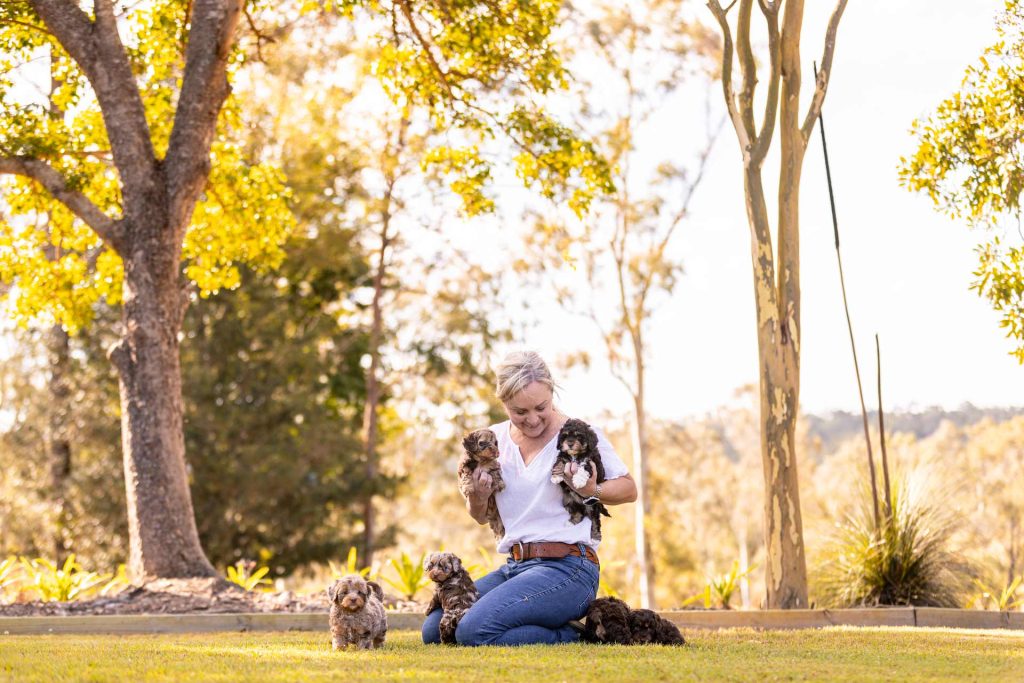
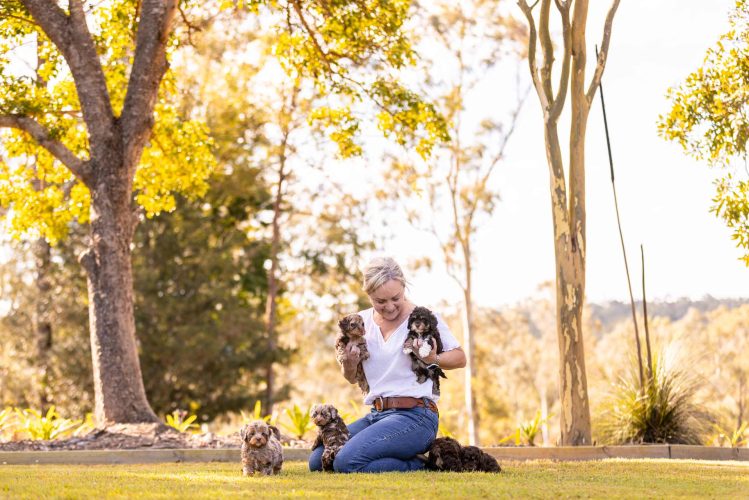
If you’re searching for the perfect family companion, chances are you’ve come across two of Australia’s most lovable dog breeds: the cavoodle and the havoodle.
Both are intelligent, affectionate companion dogs that combine the best qualities of the poodle with another wonderful breed, often producing the low-shedding coats that many modern families are looking for. The good news? There really isn’t a wrong choice. Both cavoodles and havoodles are exceptional family dogs.
What Is a Cavoodle?
A cavoodle is a cross between a Cavalier King Charles Spaniel and a Poodle.
For years, cavoodles have been one of Australia’s most popular companion breeds thanks to their affectionate nature, adaptability, and low-shedding coats.
They are famous for being:
- Extremely people-focused
- Gentle and affectionate
- Easy to train
- Adaptable to both houses and apartments
- Wonderful with children
Many families describe cavoodles as little “velcro dogs” because they love being involved in everything their people do.
What Is a Havoodle?
A havoodle is a cross between a Havanese and a Poodle.
The Havanese is Cuba’s national dog and has been treasured as a companion breed for centuries. Known for their cheerful personalities, sturdy build and affectionate nature, they have long been regarded as one of the world’s great companion breeds. When combined with the intelligence and low-shedding qualities of the poodle, the result is a cheerful, sturdy and highly affectionate family companion.
Havoodles are known for being:
- Happy and outgoing
- Highly social
- Intelligent and trainable
- Playful without being overly demanding
- Excellent companions for families and retirees alike
They often have a slightly more robust and adventurous nature while still retaining the cuddly companion qualities that people love in oodle breeds.
Similarities Between Cavoodles and Havoodles
There is a reason both breeds are becoming increasingly popular.
Low-Shedding Coats
While no dog can ever be guaranteed completely hypoallergenic, both cavoodles and havoodles, when thoughtfully bred, can inherit low-shedding coat genetics, making them a popular choice for families wanting to minimise shedding around the home.
Highly Intelligent
Both breeds are quick learners that respond well to positive reinforcement training.
Family-Friendly Temperaments
Both breeds thrive on companionship and generally adore being part of family life. Whether it’s school pick-ups, weekend adventures, or relaxing on the couch, they simply want to be with their people.
Great with Children
Both cavoodles and havoodles are known for their gentle, friendly dispositions and often form strong bonds with children.
Adaptable
Whether you live on acreage, in suburbia, or in an apartment, both breeds can adapt well provided they receive sufficient exercise, training, and companionship.
The Key Differences
Cavoodles: The Ultimate Companion Dog
Cavoodles often inherit the Cavalier’s famously soft and affectionate temperament.
They tend to be:
- Extremely people-oriented
- Gentle and sensitive
- Calm and cuddly
- Content to spend long periods near their family
For families wanting a dog whose greatest joy is simply being with them, a cavoodle can be hard to beat.
Havoodles: The Cheerful Entertainer
Havoodles often inherit the Havanese’s playful, hardy personality.
They tend to be:
- Slightly more adventurous
- More clownish and entertaining
- Confident and social
- Full of character and charm
Many havoodle owners describe them as little comedians who always seem to find a way to make everyone smile.
Size Comparison: Are Havoodles Smaller Than Cavoodles?
In general, havoodles tend to be smaller than cavoodles.
This comes down to the size of their non-poodle parent breed. The Havanese (typically 4–7kg) is naturally a smaller companion dog than the Cavalier King Charles Spaniel (typically 8–11kg), so when crossed with a poodle, havoodles will typically mature at a smaller size than an equivalent cavoodle.
As a result:
- Toy havoodles are often among the smallest oodle breeds, making them ideal for families seeking a compact companion.
- Toy cavoodles are still small dogs but are usually a little taller on average.
One of the most appealing features of the Havanese is that despite their smaller size, they are surprisingly sturdy little dogs. Unlike some toy breeds that can appear fine-boned or delicate, the Havanese was developed as a robust companion dog with excellent bone structure and athleticism. They are small, but not dainty. Many owners are surprised by how hardy and capable these little dogs are, whether they’re exploring the backyard, joining family adventures, or keeping up with active children.
For families specifically seeking the smallest possible companion, a havoodle may have the edge. For those wanting a slightly larger dog while still remaining in the small companion-dog category, a cavoodle can be an excellent choice.
The reality is that both breeds remain comfortably within the small companion-dog range, and both are wonderfully portable, family-friendly dogs that fit easily into modern lifestyles.
Coat Types and Shedding
One of the biggest similarities between cavoodles and havoodles is that both can produce the soft, fleecy, low-shedding coats that many families are looking for.
The genetics behind those coats are surprisingly different.
The Havanese naturally carries DNA traits for zero curl and double furnishings. This gives the breed its characteristic long, silky, slightly wavy coat and relatively low shedding compared to many other companion breeds. When combined with a poodle, the result is often the ideal havoodle coat: soft, fleecy, low to no shedding, and wonderfully cuddly.
The Cavalier King Charles Spaniel naturally carries DNA traits for zero curl and zero furnishings, producing their beautiful long, straight coat. Cavaliers are known to shed heavily, but when knowledgeable breeders cross them with a poodle they inherit furnishings and curl genes that help create the cavoodle’s popular fleecy coat with significantly reduced shedding.
As a result, both cavoodles and havoodles can produce the soft, teddy-bear style coats that many families love. While individual coats vary depending on the genetics inherited from each parent, both breeds are capable of producing beautiful low to no shedding coats.
Interestingly, the havoodle benefits from low-shedding coat genetics from both sides of its pedigree, while the cavoodle relies more heavily on the poodle’s furnishings and curl genetics to achieve the same result. In practical terms, however, both breeds can make excellent choices for families seeking a low-shedding companion.
Which Breed Is Better?
The honest answer is that neither breed is “better.”
They are simply different.
Choose a cavoodle if you are looking for:
- A devoted companion
- A gentle, affectionate nature
- A dog that loves cuddles and family time
Choose a havoodle if you are looking for:
- A playful entertainer
- A cheerful, loving personality
- An affectionate dog full of character
Ultimately, the cavoodle vs havoodle decision comes down to personal preference. Both breeds are intelligent, affectionate, family-oriented dogs that thrive when raised as part of a loving home.
The Waterhill Perspective
As breeders who have spent years raising cavoodles, we’ve fallen in love with many of the same qualities that make the Havanese such an exceptional companion breed.
Both cavoodles and havoodles combine intelligence, trainability, affection, and low-shedding coats in a family-friendly package.
Whether your heart is drawn to the gentle devotion of a cavoodle or the playful charm of a havoodle, you’ll be welcoming a dog bred for one purpose above all else: to be a loving companion.
And really, that’s what makes both breeds so special.